Daughter of Ares, god of war, and Aphrodite, goddess of love: her name means 'Harmony'. She marries Cadmus, founder of Thebes, at a wedding all the gods attend. The necklace she receives brings disaster on everyone who owns it for generations.
In brief
- In Hesiod she is the daughter of Ares and Aphrodite; her brothers are Phobos (Fear) and Deimos (Terror).
- Zeus gives her as wife to Cadmus, the founder of Thebes. All the gods come to the wedding and bring gifts.
- Her children are Semele, Ino, Agave, Autonoe and Polydorus. Most of her daughters meet a tragic end.
Family
Consorts and partners
Siblings
½ Half-sibling: only one parent in common.
To see the whole family, open the Harmonia family tree → · how is Harmonia related to Zeus? → · compare with someone else →
The cursed necklace
In Apollodorus, Cadmus gives Harmonia a robe and a necklace made by Hephaestus at their wedding. Generations later the necklace passes to Polynices, who uses it to bribe Eriphyle into sending her husband Amphiaraus on the doomed expedition against Thebes. Every time it changes hands, it brings death.
Apollodorus, Library 3.4.2, 3.6.2Turned into serpents
In old age Cadmus and Harmonia leave Thebes for Illyria. Apollodorus and Ovid say both are turned into serpents, and Zeus sends them to the Elysian Fields.
Apollodorus, Library 3.5.4; Ovid, Metamorphoses 4.563–603Stories featuring Harmonia
Quick questions
- Who are Harmonia's parents?
- In the main account, Harmonia's father is Ares and mother is Aphrodite. Hesiod, Theogony 933–937
- Who were Harmonia's consorts and lovers?
- The partners named in the sources: Cadmus.
- Who are Harmonia's children?
- This atlas records 5 children of Harmonia: Ino, Semele, Agave, Autonoë and Polydorus. See the family tree →
- What are Harmonia's symbols?
- Necklace.
- Which myths is Harmonia in?
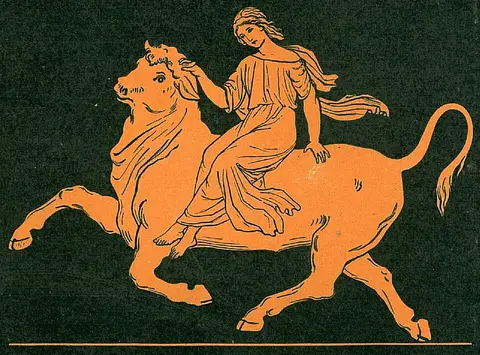
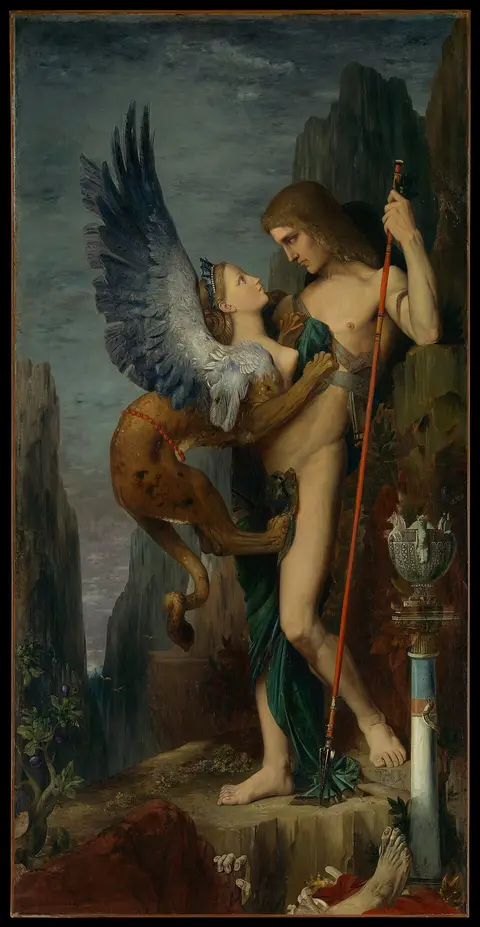
- Cadmus and Europa: the bull, the dragon and the alphabet · The curse of Thebes: from Cadmus to Oedipus.
Ancient sources
This page is based on the texts below. Numbers refer to books and lines.
- Hesiod, Theogony 933–937, 975–978
- Pindar, Pythian 3.88–95
- Apollodorus, Library 3.4.2, 3.5.4, 3.6.2
- Ovid, Metamorphoses 4.563–603