Alcestis: the queen who died for her husband
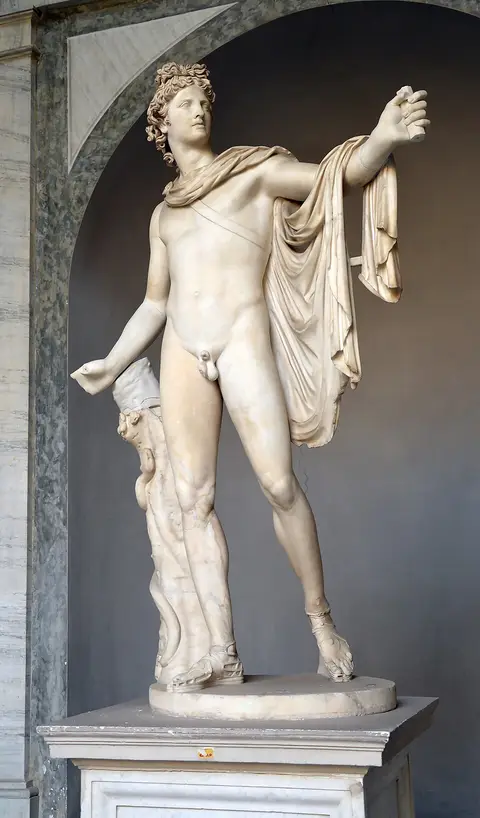
Apollo tricks the Fates into granting his friend King Admetus a privilege: if someone dies in his place, Admetus will not die. Not even his aged parents agree; only his wife Alcestis does.
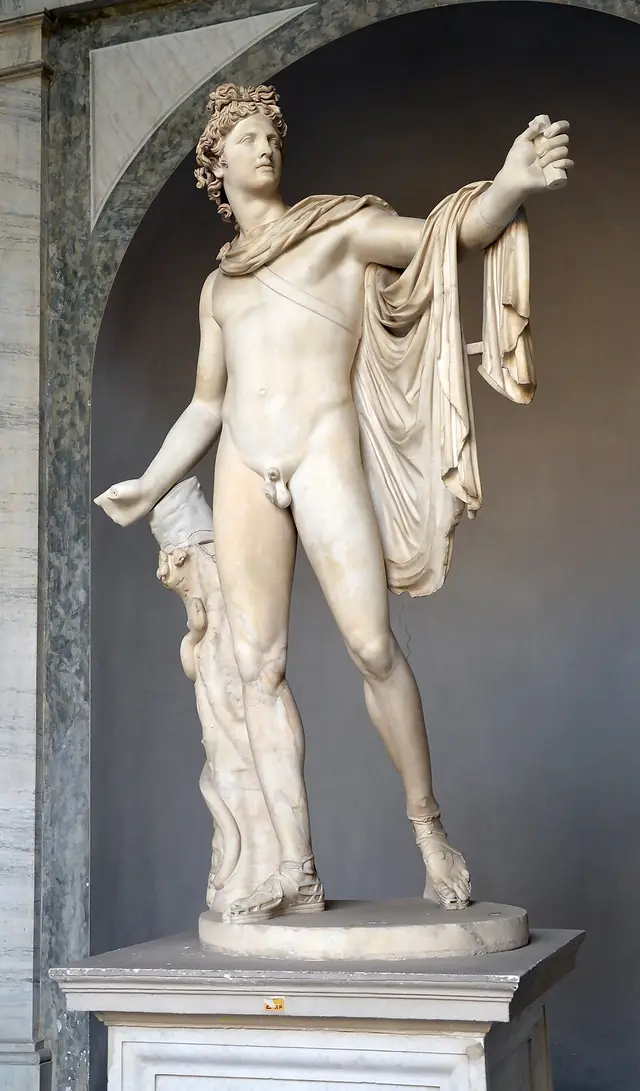
In this story
-
Apollo the herdsman
Zeus kills Apollo's son Asclepius with a thunderbolt. In his anger Apollo kills the Cyclopes who made it, and as punishment must serve a mortal for a year. He tends the herds of Admetus, king of Pherae.
Admetus treats him well, and Apollo helps him win Alcestis, daughter of Pelias, as his wife.
Apollodorus, Library 3.10.4, 1.9.15 -
The drunken Fates
When the day of Admetus's death comes, Apollo makes the Fates drunk on wine and gets a promise from them: if someone can be found who is willing to die in his place, Admetus may live.
Both his aged father and his mother refuse to die for him. Only his wife Alcestis agrees.
Aeschylus, Eumenides 723–728; Euripides, Alcestis 1–76 -
Heracles and Death
In Euripides' play, Heracles arrives at the palace as a guest on the very day Alcestis dies. So as not to break the laws of hospitality, Admetus hides his grief and welcomes him. Heracles drinks wine and sings, until a servant tells him the truth and he is ashamed.
Heracles goes to the tomb, lies in wait for Death (Thanatos), wrestles him and wins. He returns to the palace with a veiled woman and asks Admetus to look after her. Admetus objects. When Heracles lifts the veil, Admetus sees Alcestis.
Euripides, Alcestis 747–1163
Ancient sources
- Euripides, Alcestis
- Apollodorus, Library 1.9.15, 3.10.4
- Plato, Symposium 179b–d