God of prophecy, music, archery and healing; twin brother of Artemis. The oracle at Delphi is his.
In brief
- The son of Zeus and Leto and twin of Artemis, born on the island of Delos.
- At Delphi he kills the great serpent Python and takes over the oracle; his priestess is called the Pythia.
- In the Trojan War he favours the Trojans. The Iliad opens with Apollo raining plague on the Greek army because his priest has been insulted.
Family
Consorts and partners
Children
* Only in some accounts.
Siblings
½ Half-sibling: only one parent in common.
To see the whole family, open the Apollo family tree → · how is Apollo related to Zeus? → · compare with someone else →
Daphne and the laurel
Struck by Eros's golden arrow, Apollo falls in love with Daphne, daughter of a river god, while a leaden arrow makes her flee from love. As he is about to catch her she prays to her father and is turned into a laurel tree. Apollo makes the laurel his sacred tree, and poets and victors are crowned with it.
Ovid, Metamorphoses 1.452–567The skin of Marsyas
The Phrygian satyr Marsyas finds the double pipe (aulos) that Athena has thrown away and challenges Apollo to a contest. Apollo wins with the lyre, hangs Marsyas from a pine and flays him. Herodotus says the skin hung at Kelainai, today's Dinar in Afyonkarahisar.
Herodotus 7.26; Xenophon, Anabasis 1.2.8; Apollodorus, Library 1.4.2Didyma and Klaros
After Delphi, the most famous oracles of Apollo were in Anatolia: Didyma near Miletus and Klaros near Kolophon. The temple at Didyma was never finished, yet its giant columns still stand.
Strabo, Geography 14.1.5, 14.1.27Apollo on Greek vases
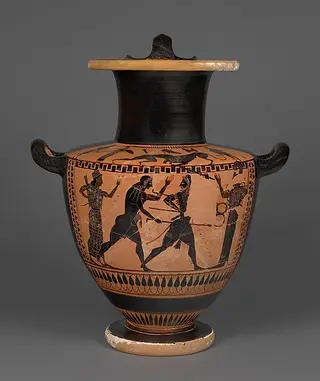
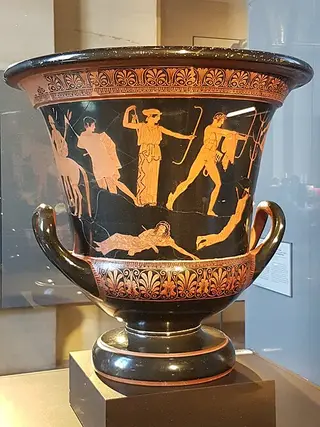
Apollo in art
16works depicting Apollo, in date order, from ancient vases to paintings of the Renaissance and after. All are in the public domain or openly licensed. Click an image for the full-size version and licence details. For scene-by-scene readings of famous vases, see Greek vase painting.


Stories featuring Apollo
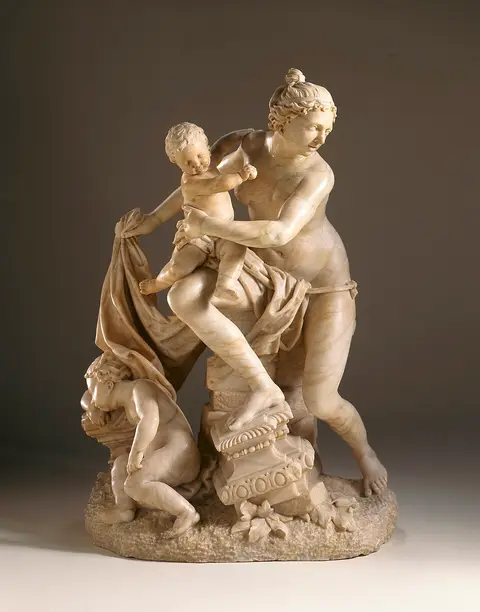 The birth of Apollo: the floating island of Delos
The age of the gods
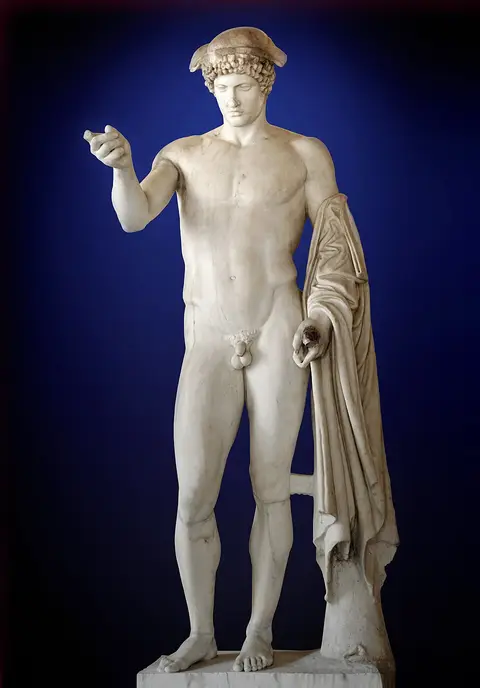 The birth of Hermes: Apollo's cattle
The age of the gods
Leto and the Lycian peasants: the frogsThe age of the gods
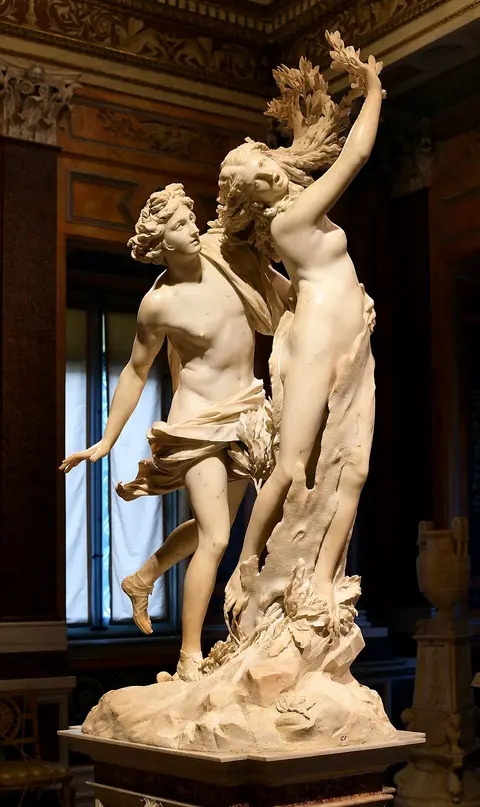 Apollo and Daphne: the nymph who became a laurel
The age of the gods
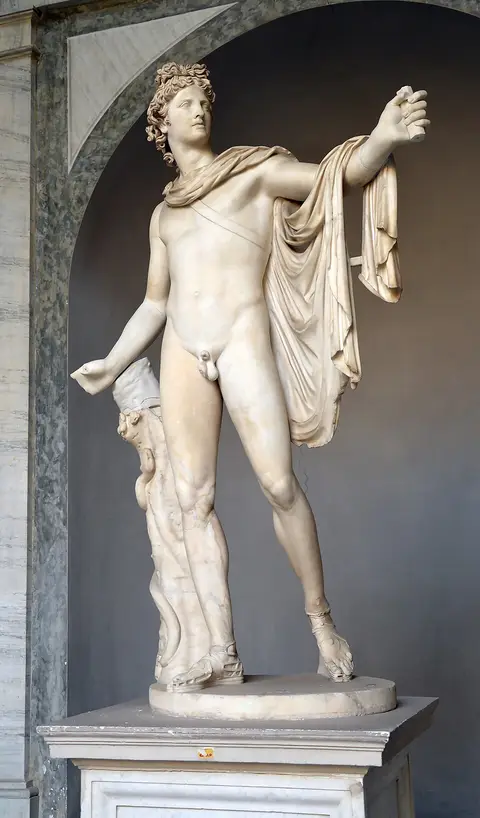 Coronis and Asclepius: the healer who raised the dead
The age of the gods
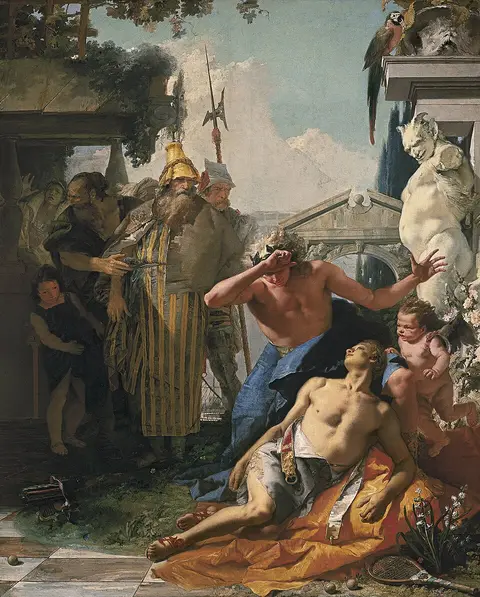 Apollo and Hyacinthus
The age of the gods
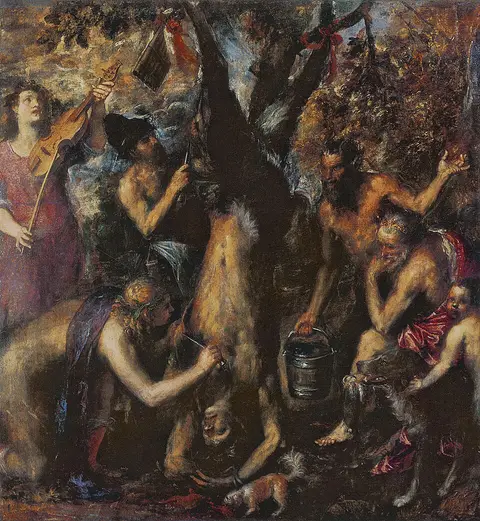 Marsyas: the satyr who challenged Apollo
The age of the gods
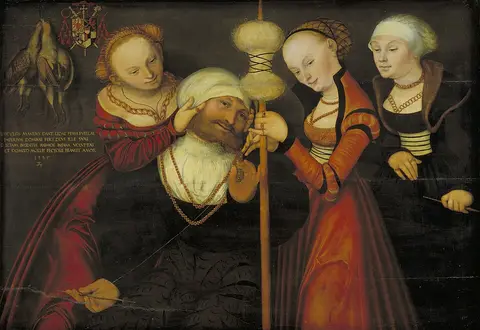 Heracles and Omphale: slave of the Lydian queen
The age of heroes
Alcestis: the queen who died for her husbandThe age of heroes
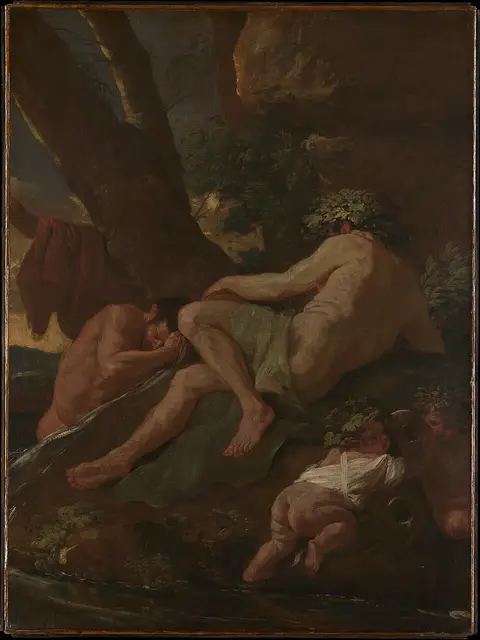 King Midas
The age of heroes
Byblis and Caunus: a spring in CariaThe age of heroes
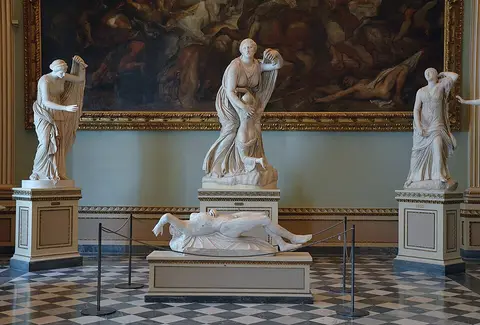 Niobe: the mother turned to stone
The age of heroes
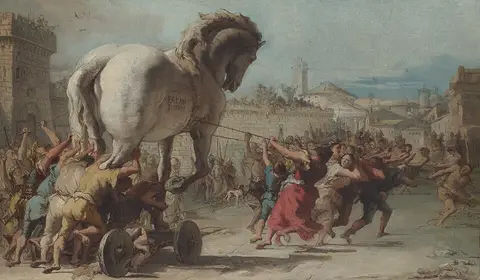 The Trojan War
 and after
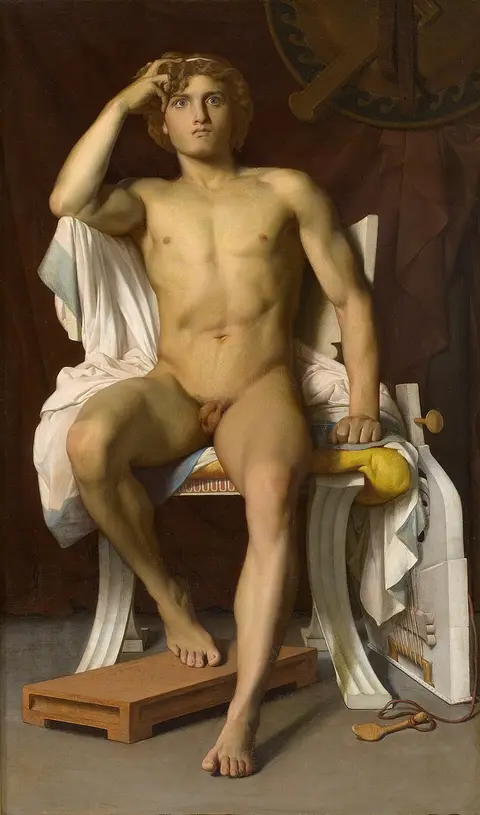 The death of Achilles
The Trojan War and after
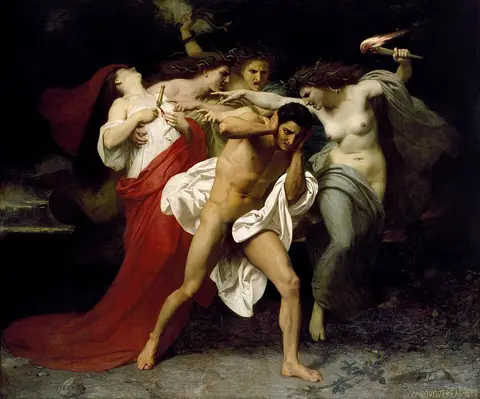 The curse of the house of Atreus
The Trojan War and after
Quick questions
- Who are Apollo's parents?
- In the main account, Apollo's father is Zeus and mother is Leto. Hesiod, Theogony 918–920
- Who were Apollo's consorts and lovers?
- The partners named in the sources: Hyacinthus and Coronis.
- Who are Apollo's children?
- This atlas records 6 children of Apollo: Asclepius, Idmon, Mopsus, Orpheus, Troilus and Aristaeus. See the family tree →
- What are Apollo's symbols?
- Lyre, Bow and arrows, Laurel, Swan.
- Which myths is Apollo in?
- The birth of Apollo: the floating island of Delos · The birth of Hermes: Apollo's cattle · Leto and the Lycian peasants: the frogs · Apollo and Daphne: the nymph who became a laurel · Coronis and Asclepius: the healer who raised the dead · Apollo and Hyacinthus · Marsyas: the satyr who challenged Apollo · Heracles and Omphale: slave of the Lydian queen, and 7 more.
Ancient sources
This page is based on the texts below. Numbers refer to books and lines.
- Hesiod, Theogony 918–920
- Homeric Hymn 3 to Apollo
- Homer, Iliad 1.8–52
- Ovid, Metamorphoses 1.438–567