Byblis and Caunus: a spring in Caria
Byblis and Caunus are the twin children of the founder of Miletus. Byblis falls in love with her twin and confesses it in a letter. Caunus flees in horror to a foreign land and founds a city. Byblis wanders Caria after him until she melts into a spring of tears.
In this story
-
The twins of Miletus
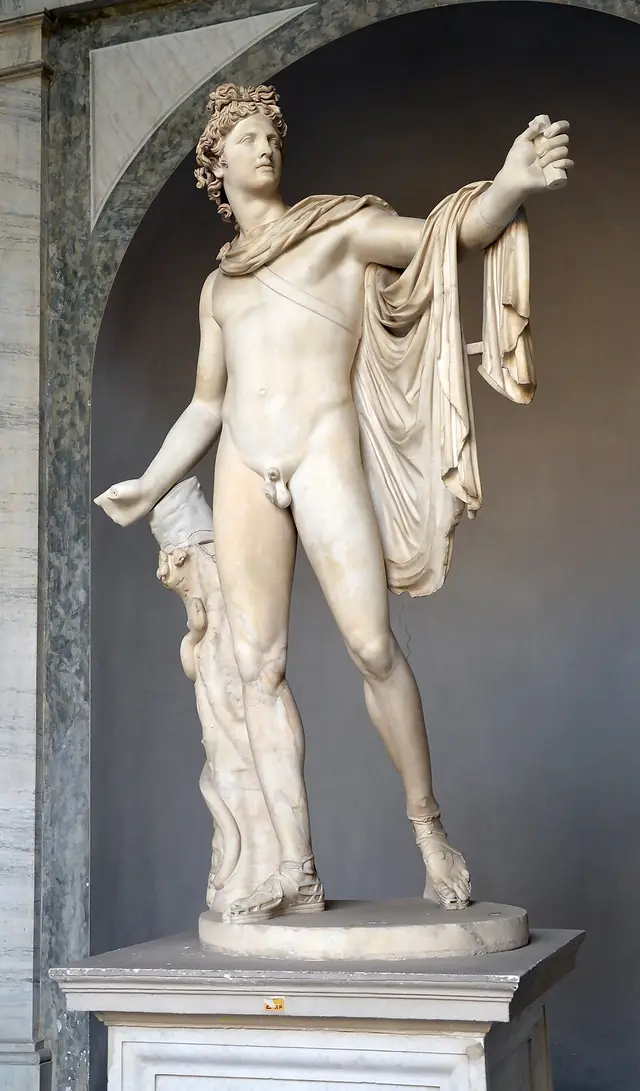
In Ovid, Miletus, a son of Apollo, flees King Minos and crosses from Crete to the coast of Asia, where he founds the city that bears his name. He marries Cyanee, daughter of the river Maeander, and she bears twins: Byblis and Caunus.
Ovid, Metamorphoses 9.441–453 -
The letter on the wax tablet
As she grows up, Byblis realises that her love for her brother is not a sister's love. At first she deceives herself, and is angry even at her dreams. At last she decides to confess, and with trembling hands writes a long letter on a wax tablet, erasing and rewriting it.
She sends a servant to take it to her brother. The tablet slips from her hand, which Ovid presents as a bad omen, but she does not give up.
Ovid, Metamorphoses 9.454–594 -
Caunus flees
When Caunus reads the letter, he flings the tablet away in fury and nearly kills the servant. Byblis still hopes, and tries again to approach him. In the end Caunus flees his homeland and builds the walls of a new city in a foreign land.
According to Conon, the city he founded is Caunus in Caria, which bears his name.
Ovid, Metamorphoses 9.574–634; Conon, Narrations 2 -
A spring of tears
Out of her mind, Byblis leaves home and follows him through Caria, the land of the Leleges and Lycia. At last she collapses exhausted in a forest and weeps without end.
The nymphs turn her tears into a spring that never runs dry. Ovid says the spring under an oak in that region is still called Byblis. In another version, told by Parthenius, Byblis hangs herself from a tree.
Ovid, Metamorphoses 9.635–665; Parthenius, Sufferings in Love 11
Ancient sources
- Ovid, Metamorphoses 9.441–665
- Conon, Narrations 2
- Parthenius, Sufferings in Love 11