The abduction of Ganymede: from Mount Ida to Olympus
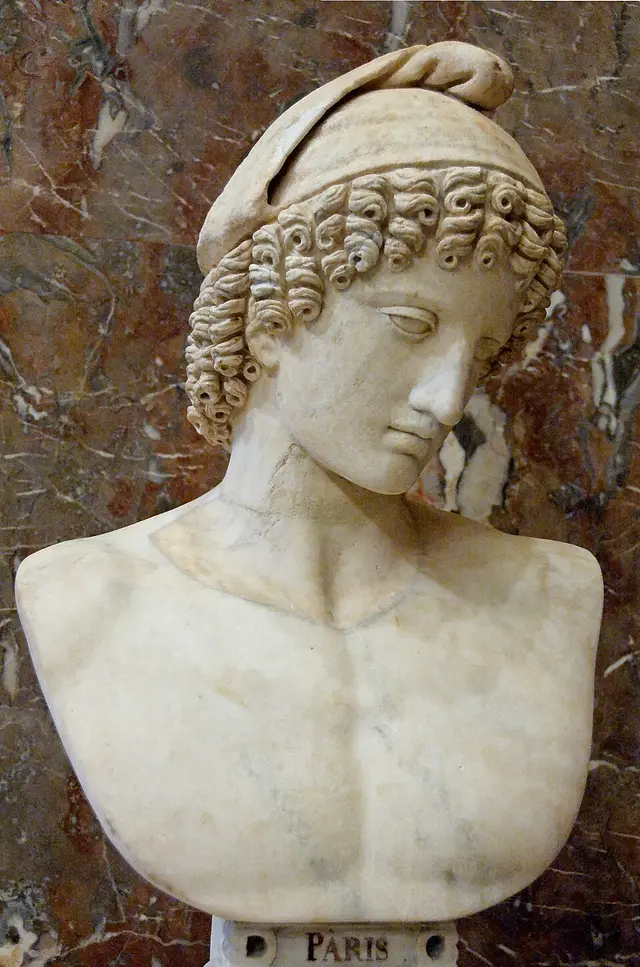
The Trojan prince Ganymede is the most beautiful of mortals. Zeus carries him off from Mount Ida (Kazdağı) to Olympus to pour wine at the gods' table, and gives his father Tros immortal horses in return.
In this story
-
The most beautiful of mortals
In the Iliad, Aeneas lists the royal line of Troy and names the three sons of Tros: Ilus, Assaracus and Ganymede, the most beautiful of mortals. Homer says the gods took him up to heaven for his beauty, to pour wine for Zeus and live among the immortals.
Homer, Iliad 20.231–235 -
Whirlwind and eagle
In the Homeric Hymn, Zeus snatches Ganymede from Mount Ida in a whirlwind. His father Tros does not know where his son has gone and mourns him. Zeus takes pity on him, sends Hermes to tell him that his son is now immortal and ageless, and gives him horses as swift as the wind.
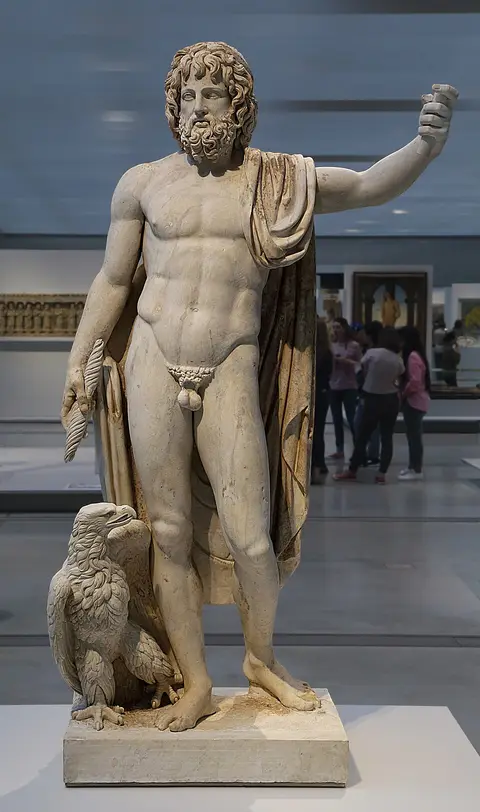
In Ovid, Zeus turns himself into an eagle and carries the young man to Olympus in his talons. This is the scene artists painted most often.
Homeric Hymn 5 to Aphrodite 202–217; Homer, Iliad 5.265–267; Ovid, Metamorphoses 10.155–161 -
The cupbearer in the sky
On Olympus, Ganymede fills the gods' cups with nectar, a duty that once belonged to Hera's daughter Hebe.
The star catalogue attributed to Eratosthenes says the constellation Aquarius is Ganymede pouring water from his jug, and the neighbouring constellation Aquila is the eagle that carried him off. Jupiter's largest moon is named Ganymede too; it is the largest moon in the Solar System.
Eratosthenes, Catasterismi 26, 30
Ancient sources
- Homer, Iliad 20.231–235, 5.265–267
- Homeric Hymn 5 to Aphrodite 202–217
- Ovid, Metamorphoses 10.155–161
- Apollodorus, Library 3.12.2