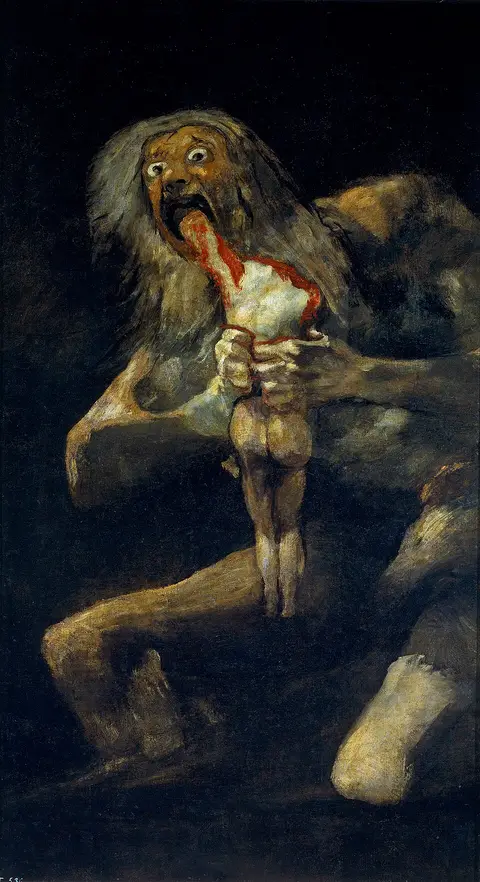
Titaness, wife of Cronus and mother of the first Olympians. She saves the infant Zeus by handing her husband a stone wrapped in swaddling clothes.
In brief
- A daughter of Uranus and Gaia. She marries her brother Cronus.
- She bears Hestia, Demeter, Hera, Hades, Poseidon and Zeus. Cronus swallows the first five as soon as they are born.
- She gives birth to Zeus in secret on Crete and gives Cronus a swaddled stone to swallow in his place.
Family
Consorts and partners
Siblings
½ Half-sibling: only one parent in common.
To see the whole family, open the Rhea family tree → · how is Rhea related to Zeus? → · compare with someone else →
Rhea and Cybele
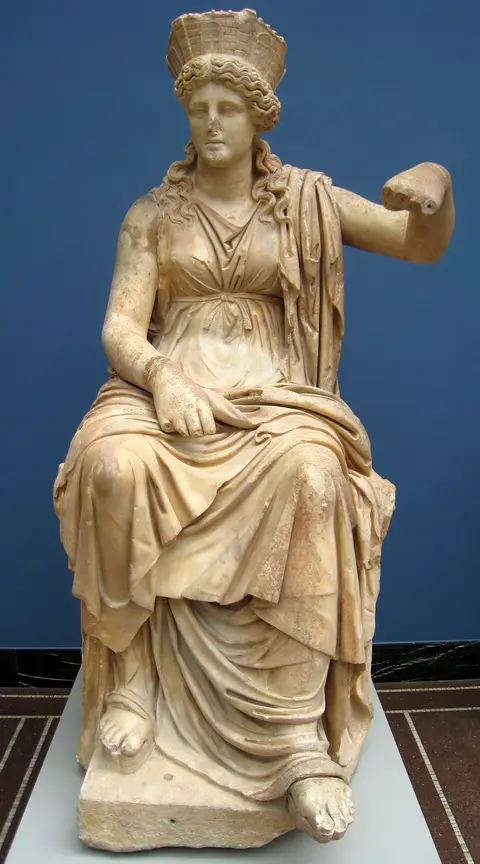
Over time the Greeks identified Rhea with Cybele, the great mother goddess of Anatolia, whom the Phrygians called Matar, 'Mother'. Lions, the tambourine and the turreted crown passed to Rhea from this merger. The Curetes, who danced and clashed their shields on Crete so that Cronus would not hear the baby Zeus crying, became confused with the Corybantes, the priests of Cybele in Anatolia.
Euripides, Bacchae 120–134; Apollodorus, Library 1.1.7Rhea in art
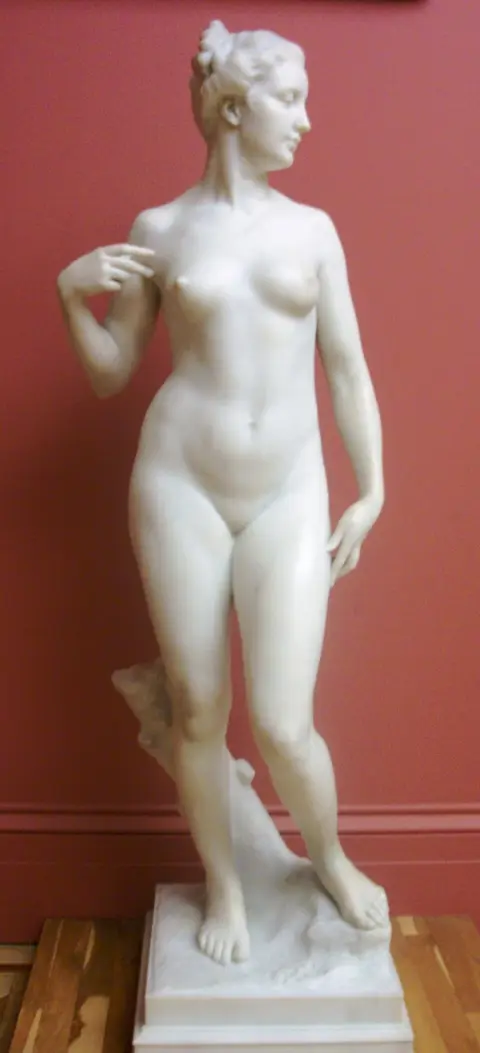
1work depicting Rhea, in date order, from ancient vases to paintings of the Renaissance and after. All are in the public domain or openly licensed. Click an image for the full-size version and licence details. For scene-by-scene readings of famous vases, see Greek vase painting.

Stories featuring Rhea
Quick questions
- Who are Rhea's parents?
- In the main account, Rhea's father is Uranus and mother is Gaia. Hesiod, Theogony 133–138
- Who were Rhea's consorts and lovers?
- The partners named in the sources: Cronus.
- Who are Rhea's children?
- This atlas records 6 children of Rhea: Demeter, Hades, Hera, Hestia, Poseidon and Zeus. See the family tree →
- What is Rhea's Roman name?
- In Roman mythology Rhea is known as Ops. All Greek and Roman names →
- What are Rhea's symbols?
- Lions, Tambourine, Turreted crown.
- Which myths is Rhea in?
- Creation and the war of the Titans · Cybele and Attis: the Mother Goddess of Pessinus · Atalanta and Hippomenes: three golden apples.
Ancient sources
This page is based on the texts below. Numbers refer to books and lines.
- Hesiod, Theogony 135, 453–491
- Apollodorus, Library 1.1.5–1.1.7